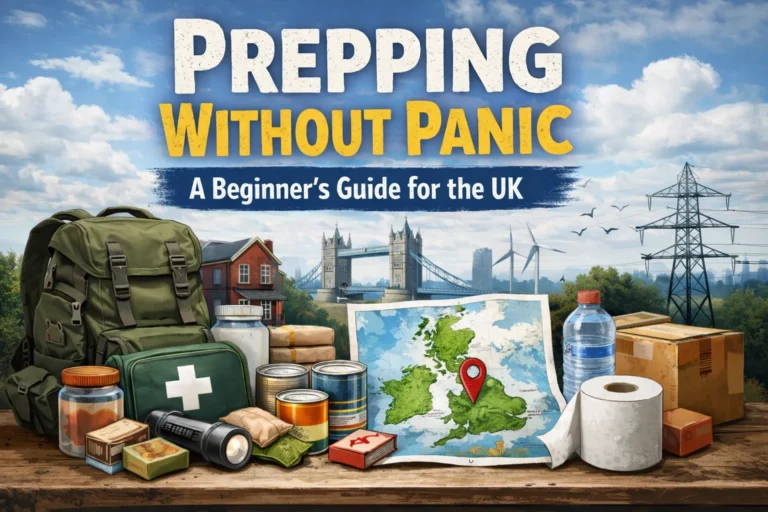
**UK government emergency preparedness** is receiving renewed attention following the launch of the *Be Ready* campaign on 22 October 2026. The campaign encourages households across Britain to prepare to manage for at least three days (72 hours) if everyday services are disrupted, including electricity, drinking water and communications. Its central advice is simple: households that can should prepare to manage for three days (72 hours) if everyday services are disrupted.
The campaign covers more than food. It asks people to think about temporary loss of electricity, running water, phone and broadband connections, and the effects of extreme weather. At the same time, Defra has set up a Food Preparedness Group to examine risks to the nation’s food system.
So what, precisely, is the government asking ordinary British households to do? This guide translates the official recommendations into a realistic food, water, power, communication and household safety plan, without panic buying or expensive survival equipment.
Important distinction: the government is recommending three days, not 90 days. A 30- or 90-day food reserve is a personal longer-term choice, not an official government instruction. See the 22 October Cabinet Office announcement and official Be Ready checklist.
Key takeaways
- Britain’s Be Ready campaign launched on 22 October 2026 and will run over three years.
- The official household baseline is 72 hours of essential supplies.
- For drinking, the checklist specifies 3 litres of water per person, per day; extra is needed for washing and cooking.
- The official hazard pages contain 18 categories, including power cuts, flooding, cyber incidents and disease outbreaks.
- Defra’s new Food Preparedness Group looks at both sudden food supply shocks and exceptionally severe disruptions.
- Preparedness can start with ordinary food, bottled water and low-cost arrangements.
The government’s 72-hour emergency checklist
You might already own many of the recommended essentials. Check what you have, then add any missing items gradually during normal shopping trips.
Food, water and hygiene
Power, health and communication
Government advice also stresses a household plan, awareness of local risks and the Priority Services Register where eligible. Source: Be Ready emergency checklist.
What exactly is the government asking us to prepare for?
The official Be Ready hazards index lists 18 categories of hazards and emergencies. Their likelihood varies by location; not every risk is equally relevant to every household. Here is a practical UK-home interpretation of all 18.
Power cuts
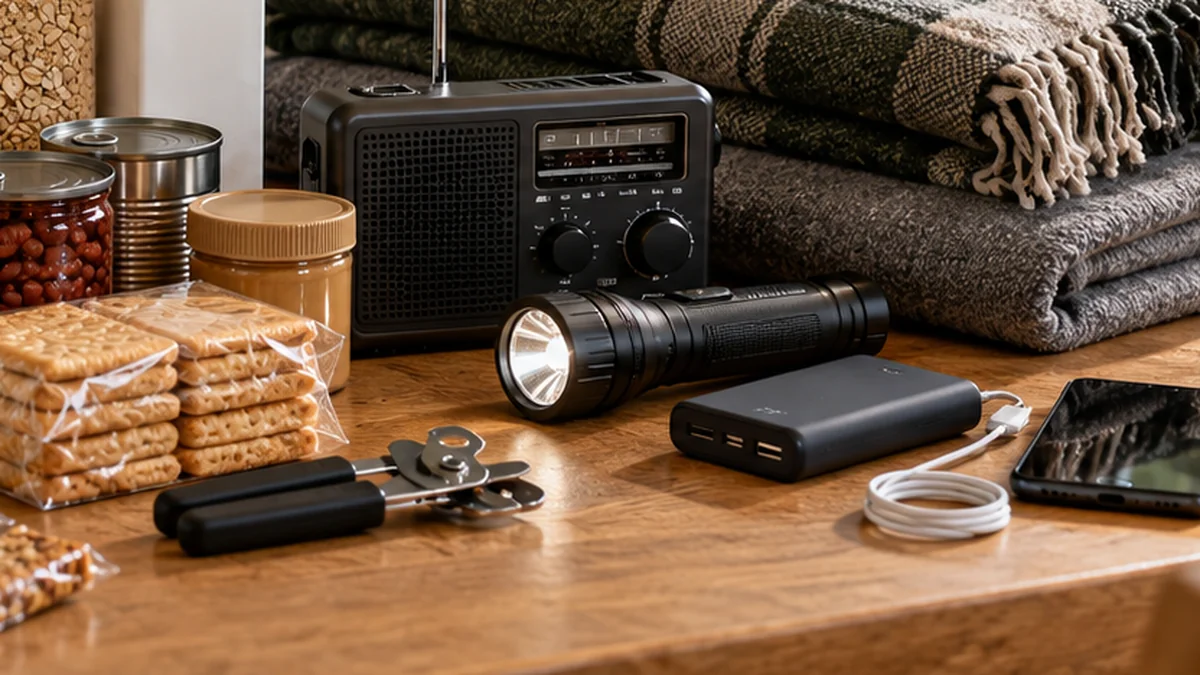
A cut can affect lighting, heating controls, refrigeration, mobile charging and, sometimes, water pumping. Keep torches, batteries, a charged power bank, a radio, warm layers and food that does not require cooking. Dial 105 to report a power cut in Great Britain; Northern Ireland uses 03457 643643.
Further reading: What to do in a power cut and Power cuts and home warmth in the UK.
Water supply interruptions or outages
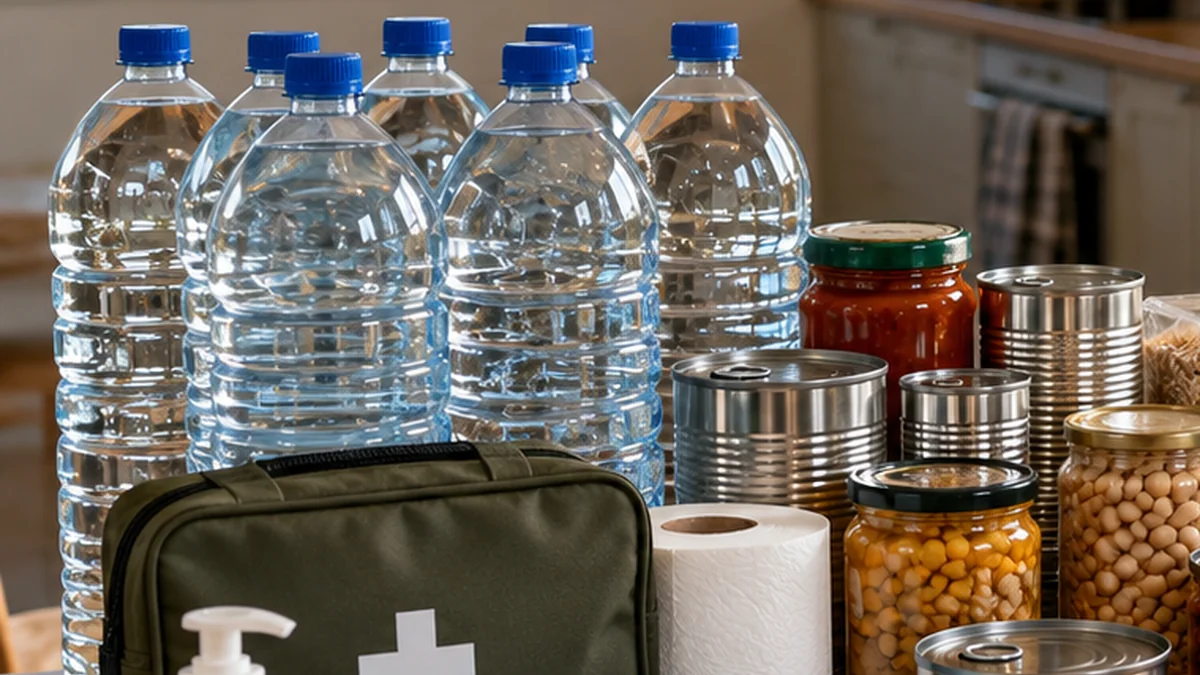
Burst pipes, planned engineering work, infrastructure damage or water-quality incidents can interrupt supply. Store drinking water in advance and note your supplier’s contact details. Follow all boil-water or do-not-use notices exactly; ordinary filters do not necessarily make contaminated water safe.
Further reading: Water storage and filtration for UK homes.
Storms
High winds and heavy rain can disrupt power, internet, roads and public transport. Follow Met Office warnings, secure loose outdoor items and avoid fallen power lines. Postpone unnecessary travel when conditions are dangerous.
Flooding
Check your local flood risk and register for warnings where appropriate. Keep important documents accessible, know your safe evacuation route and follow instructions from the emergency services. Never drive or walk through floodwater.
Cold weather, snow and ice
Keep layers, blankets, useful lighting, food and water available. Prepare your car if travel is unavoidable: warm clothing, a charger, high-visibility items, food and drink can all help if a journey is delayed. Check neighbours who may need support.
Hot weather and heatwaves
High temperatures can increase the risk of dehydration and heat-related illness. Keep drinking water available, reduce indoor heat where possible and follow health advice, especially for babies, older people and those with medical needs.
Droughts
Prolonged dry weather can lead to water-use restrictions. Follow your water company’s guidance, repair leaks and use non-drinking water responsibly for suitable tasks. Water from outdoor collection containers should not be treated as drinking water without appropriate safeguards.
Wildfires
Wildfires can spread quickly in hot, windy conditions. Avoid activities that could start fires and keep track of local warnings. Leave promptly if emergency services advise evacuation.
Cyber incidents
Digital incidents can affect online accounts, businesses and essential services. Use unique passwords or passkeys, enable two-step verification, install updates and back up important data. Keep essential contact details available offline.
Phone and broadband outages
Agree a family meeting point and write down phone numbers, local radio frequencies and essential information. A charged power bank and an FM radio can help, but do not assume mobile networks will remain usable throughout a major outage.
Infectious disease outbreaks
Keep basic hygiene supplies and necessary household essentials available, and follow NHS and public health advice specific to the outbreak. Plan for medicines, care arrangements and limiting avoidable journeys if a household member is unwell.
Antimicrobial resistance
Drug-resistant infections are a longer-term health risk. Reduce infection risk through appropriate hygiene and vaccination and use prescribed antimicrobials correctly. Do not stockpile prescription antibiotics or self-medicate.
Animal and plant health
Animal and plant disease outbreaks can affect farming, wildlife and domestic animals. Follow official restrictions and biosecurity advice, and maintain suitable pet essentials if your household has animals.
Poor air quality and pollution
Some pollution episodes require limiting outdoor activity or following official advice to shelter indoors. Check local air-quality information and make a plan for household members who may be especially affected.
Fires in the home
Test smoke alarms monthly, keep escape routes clear and make sure household members know how to leave quickly. Never re-enter a burning building to collect belongings. Call 999 once safe.
Hazardous substance and radiation exposure
Chemical and radiological incidents demand incident-specific official instructions. Depending on the event, you may be told to shelter indoors or evacuate. Do not rely on ordinary face masks, household filters or improvised equipment as universal protection.
Terrorism
Follow police and emergency-service instructions, and stay away from incident scenes. In a firearms or weapons attack, Counter Terrorism Policing advises Run, Hide, Tell.
Overseas emergencies
Before travelling, check Foreign, Commonwealth & Development Office advice, keep important contact details and documents accessible, and make sure your travel insurance matches your plans.
Is the UK Government preparing for food shortages?
In October 2026, the Department for Environment, Food and Rural Affairs (Defra) established a Food Preparedness Group. It brings government, businesses and civil society organisations together to improve readiness for severe disruptions to the UK food system.
Defra distinguishes between acute risks (for example, a sudden event affecting transport, production inputs, prices or food distribution) and catastrophic risks (less likely events with exceptionally severe consequences, such as extensive infrastructure failures or major international supply-chain disruption).
The group has a supply-chain subgroup and a local and household subgroup. Its existence does not mean the government has predicted a food shortage on a particular date. It means officials and stakeholders are planning for risks that could affect the availability and distribution of food. See the Defra Food Preparedness Group.
Food to keep at home
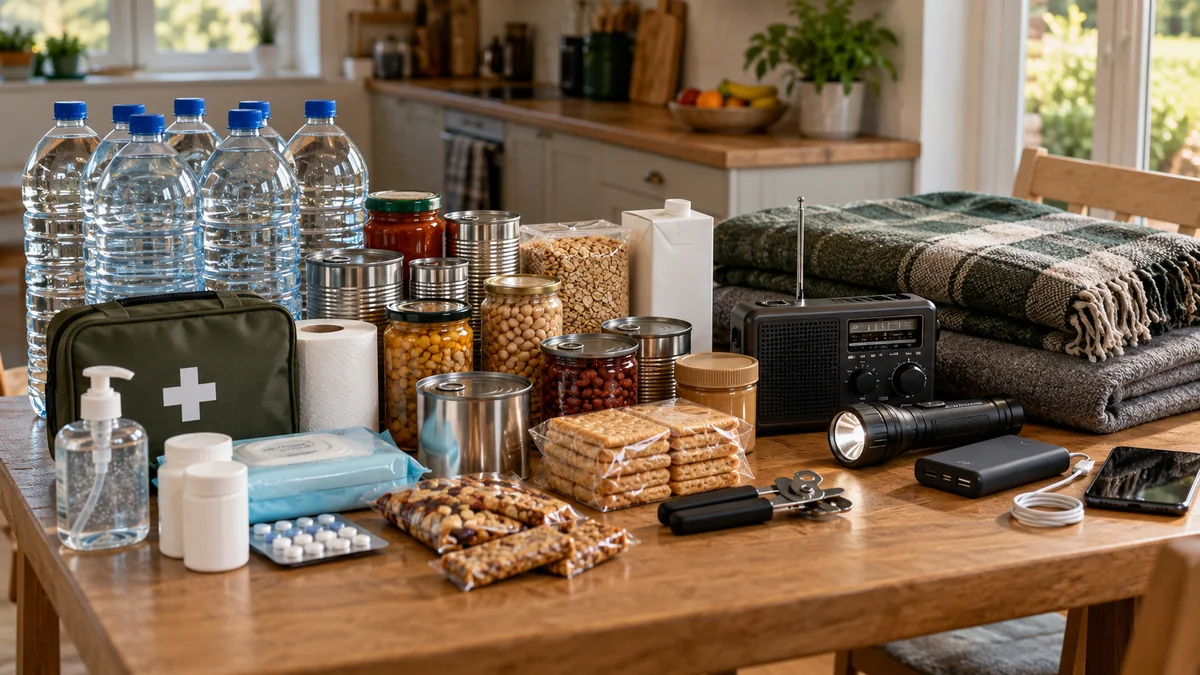
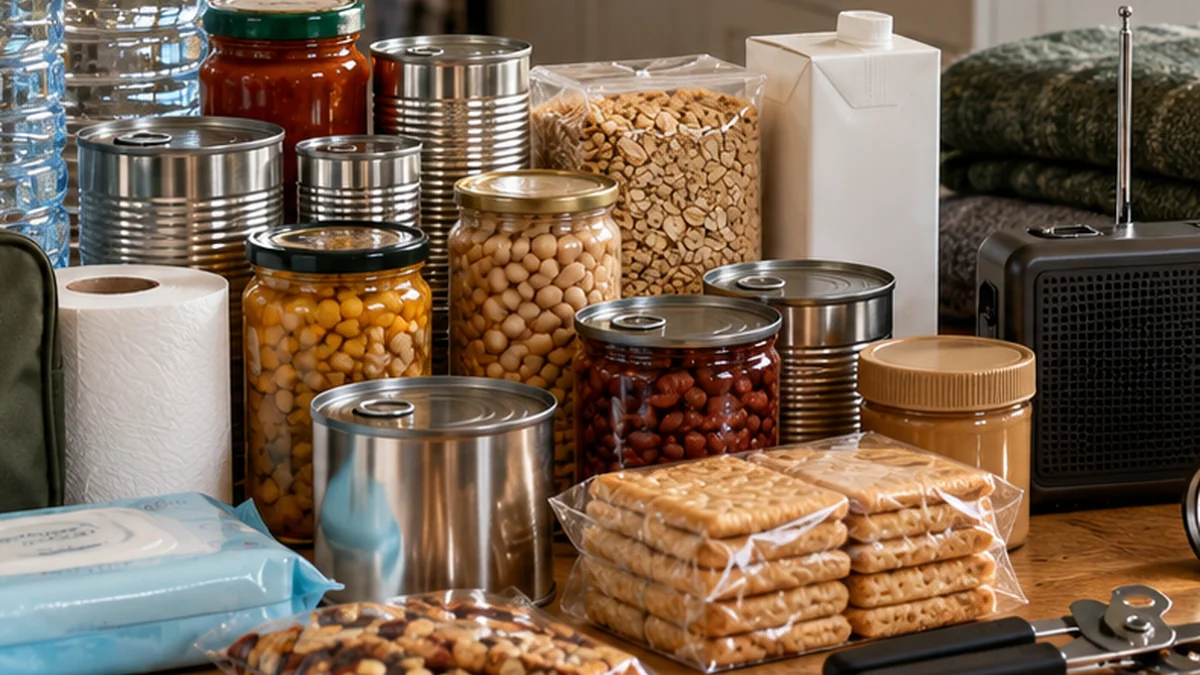
Start with three days of no-cook meals. Useful examples include tinned fish or beans, ready-to-eat pulses, crackers, oatcakes, cereal, UHT milk, fruit in juice, nuts and dried fruit. Add a manual tin opener if needed.
Dry rice, pasta and lentils are useful for a longer-term store, but only if you have enough safe water and a suitable means of cooking them. For your first 72 hours, prioritise food you can eat even if the hob, kettle and microwave stop working.
We have detailed plans for emergency food storage in normal UK homes and 72-hour supermarket emergency meals.
72 hours versus 90 days: what is officially recommended?
The government recommends a three-day emergency supply. There is no general UK Government instruction to keep 90 days of food. People may independently decide to build up to a week, a month or even three months, provided the food is affordable, stored safely and rotated before it becomes unsuitable.
| Reserve | Purpose | Official instruction? |
|---|---|---|
| 72 hours | Short-term disruption to daily essentials | Government recommended baseline |
| 7 days | Additional personal buffer | No — optional |
| 30 days | Extended household resilience | No — optional |
| 90 days | Long-term food reserve, with storage and rotation | No — optional |
For most homes, a gradually expanded cupboard of normal groceries is more economical and less wasteful than making one large emergency purchase.
How much emergency drinking water should a household store?
Be Ready specifies 3 litres of drinking water per person per day, for three days. This does not include extra water for washing, preparing food, pets, babies or health needs.
| People | 3 days’ drinking water |
|---|---|
| 1 | 9 litres |
| 2 | 18 litres |
| 3 | 27 litres |
| 4 | 36 litres |
| 5 | 45 litres |
For an everyday household, sealed bottled water is a straightforward starting point. Follow the storage advice printed on the bottle and keep the oldest stock rotating forward. Read our full UK water storage and filtration guide.
Beyond food and water: the rest of your household kit
Food is only one part of preparedness. A house without electric light, communications or safe heating needs a slightly different plan.
Lighting, warmth and communication
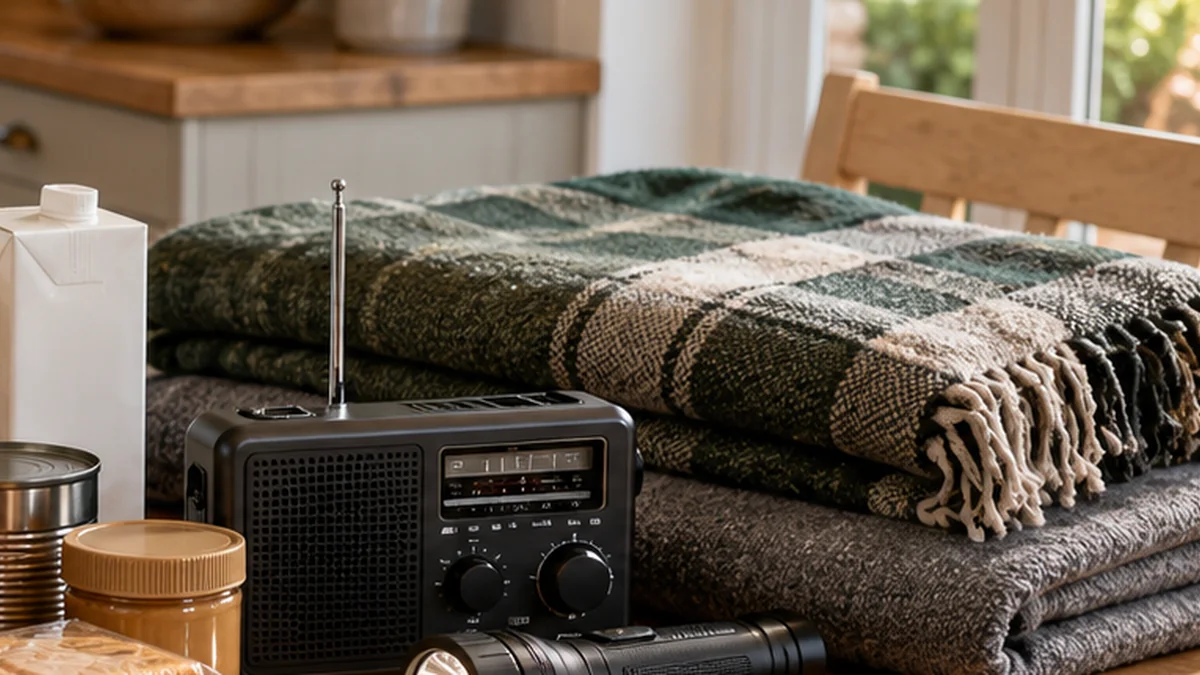
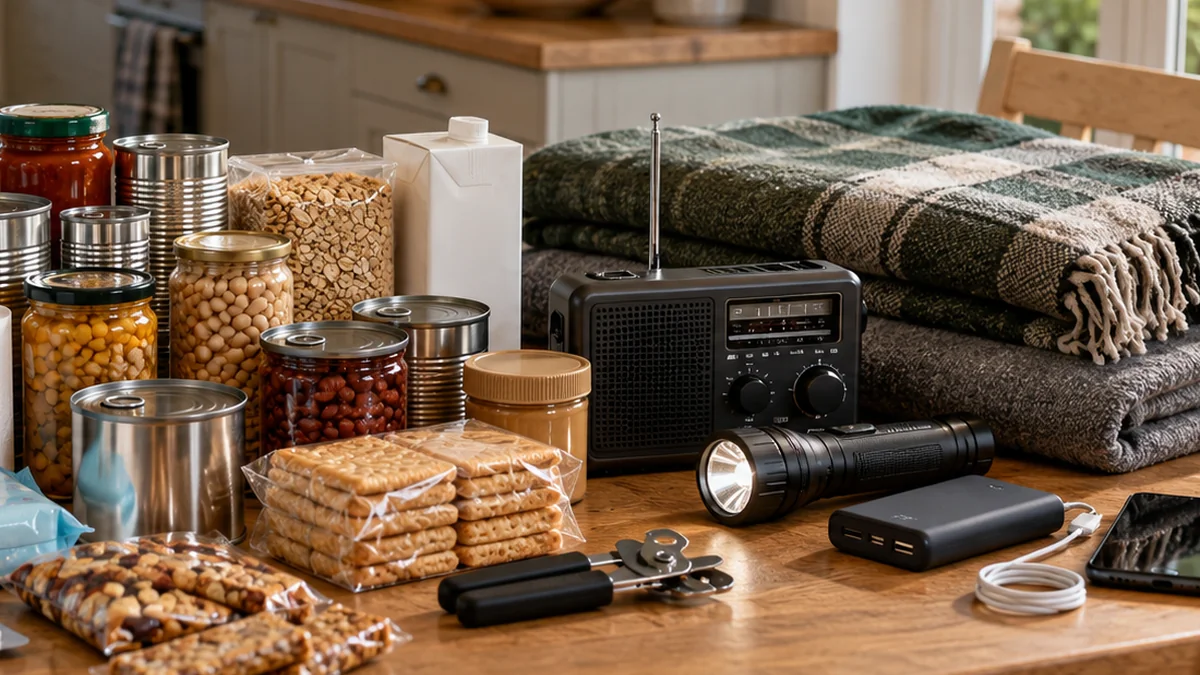
Choose battery-powered torches rather than candles, and keep spare batteries where you can find them. A wind-up or battery-powered FM radio offers another way to receive updates. Keep power banks charged and write down emergency contact numbers.
Keep spare blankets, warm clothing and a simple plan for staying in one warmer room if the heating fails. Never run a portable generator, barbecue or outdoor gas cooker indoors: carbon monoxide can cause fatal poisoning.
Hygiene and health
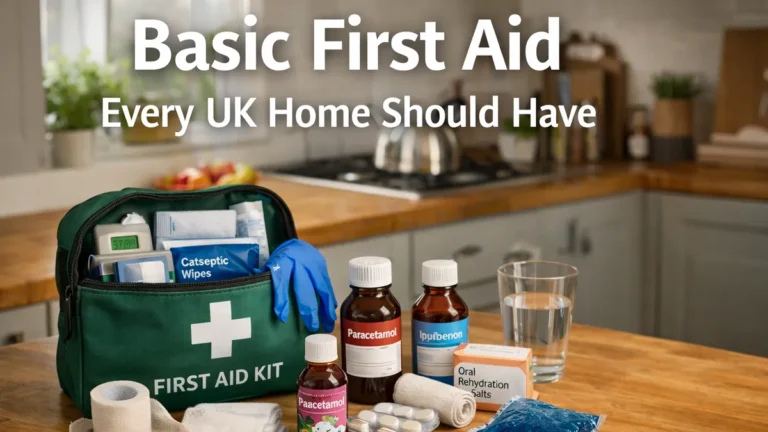
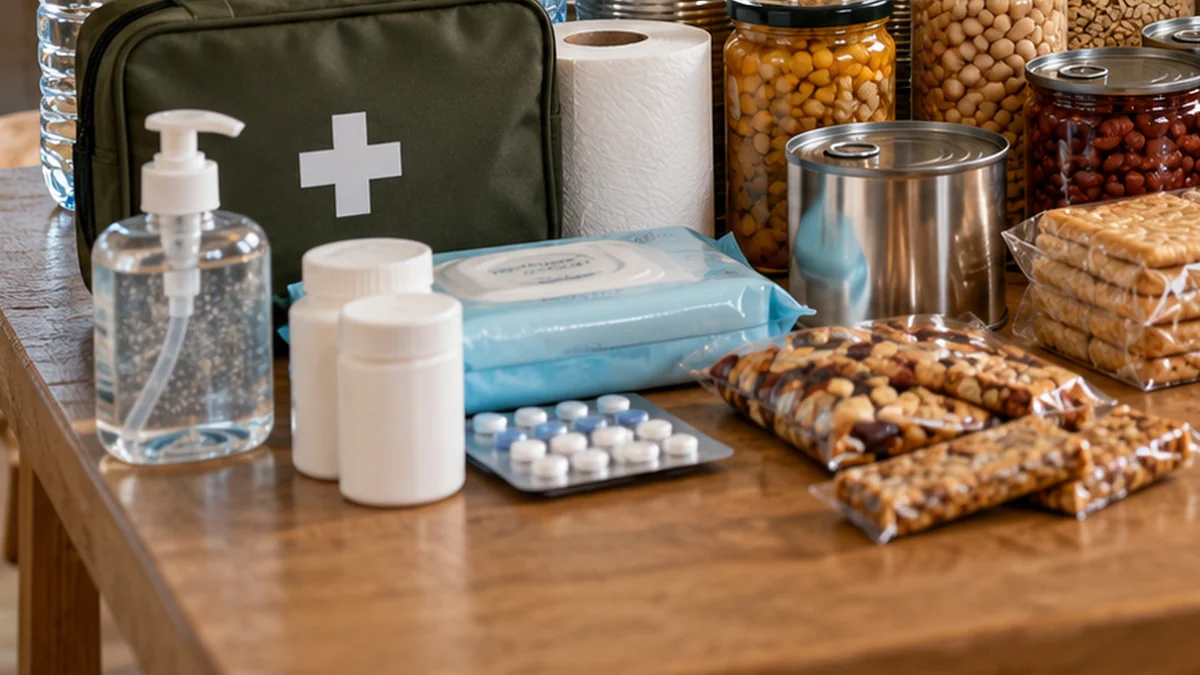
Include soap, hand sanitiser, wipes, toilet roll, period products and rubbish bags. Maintain a basic first-aid kit and request repeat prescriptions in good time. Anyone relying on electrical medical equipment should discuss their backup arrangements with the appropriate provider.
See our UK health and hygiene preparedness guide.
Cash, documents, children and pets
Keep modest emergency cash in a mix of notes and coins, along with written contact numbers and safely stored copies of vital documents. Tailor the kit to baby supplies, disability and mobility requirements, medicines, dietary needs and pet food.
Make a simple household emergency plan
Decide how to contact each other if mobile networks fail, where to meet if you cannot return home and how to evacuate if instructed. Write down utility emergency numbers, check that your children know how to call 999, and make sure everyone knows the escape routes.
Check eligibility for the free Priority Services Register, which helps suppliers identify people who may need extra support when services fail. In Scotland, Ready Scotland provides locally relevant advice.
Ask a trusted neighbour whether you could check on one another during a disruption. A contact and a plan can matter just as much as additional equipment.
Seven common emergency preparedness mistakes
- Buying gadgets first. Cover basic water, food and medication before spending on extra equipment.
- Storing food nobody eats. Choose familiar products and rotate them through normal meals.
- Forgetting how to cook. If electricity is unavailable, dried food and frozen meals may be impractical.
- Ignoring water for other needs. The government’s 3 litres relates to drinking, not washing or cooking.
- Relying on mobile reception. Keep a printed contact list and a radio.
- Making a one-size-fits-all kit. Babies, pets, disabled people and those requiring medication have specific needs.
- Never checking supplies. Review and rotate your kit about every six months.
Frequently asked questions
Has the UK Government told households to stockpile 90 days of food?
No. The official recommendation is three days of essential supplies. Ninety days is an optional longer-term personal target, not government instruction.
When was the Be Ready campaign announced?
The Cabinet Office announced the updated campaign on 22 October 2026. It builds on household preparedness guidance issued in May 2024.
How much drinking water does a family of four need?
At 3 litres per person per day for three days, the official drinking-water baseline is 36 litres, with additional water for washing and cooking.
Does the Food Preparedness Group mean shortages are imminent?
No. Defra says the group is designed to strengthen preparedness for possible acute and catastrophic food-system risks; its creation does not constitute a forecast of a specific shortage.
Can I prepare on a tight budget or in a small flat?
Yes. Begin with what you already own, add one or two useful products when affordable and keep vital contacts on paper. Many preparedness steps, such as a communication plan and signing up for alerts, cost nothing.
Final thoughts: could your household manage for 72 hours?
The purpose of Be Ready is not to persuade everyone to build a bunker. It is to make temporary disruptions less difficult for households and to help emergency services focus on those with the greatest need.
Start with a three-day kit. Make a plan. Build your water, food, warmth and communication options gradually. If you want a longer reserve, make that decision separately from the government’s baseline advice.
Build a more resilient household, one step at a time.
Use our free, practical guides for ordinary UK homes — without fear-based advice or unnecessary spending.
Explore the UK Prepping Complete System →Official sources
- Cabinet Office: Households encouraged to take small steps — 22 October 2026
- UK Government: Be Ready checklist and emergency plan
- UK Government: Be informed about hazards
- Defra: Food Preparedness Group (established October 2026)
Editorial illustrations in this preview are AI-generated and are not documentary photographs of a particular emergency or government event.