UK emergency preparedness does not need to be stressful, expensive, or extreme. Much of the anxiety around emergencies comes from misunderstanding risk rather than a genuine lack of equipment. That is why prepping without panic UK focuses on clarity, realism, and proportion instead of fear-based advice.
In reality, UK emergencies are usually short-term, localised, and infrastructure-related. Power cuts, water disruption, delivery delays, and winter weather are far more common than dramatic disaster scenarios, and they can be managed with simple household planning.
This guide shows beginners how to prepare calmly using a clear, practical system, rather than reacting emotionally or copying extreme approaches. If you want the full framework first, start with how emergency preparedness works in the UK.
Why Prepping Feels Overwhelming for Beginners

Many people delay preparing because:
- Online advice is extreme or contradictory
- Prepping is associated with fear or paranoia
- There is pressure to “do everything at once”
This creates a false choice between doing nothing and overreacting. Calm UK emergency preparedness sits firmly in the middle.
What UK Emergency Preparedness Is (and Is Not)

What It Is
- Planning for short disruptions
- Using normal household items
- Staying comfortable at home
- Avoiding last-minute stress
What It Is Not
- Stockpiling months of supplies
- Buying survival or military gear
- Preparing for societal collapse
If advice feels dramatic, it is probably unnecessary for UK households.
Start With the Most Likely UK Emergencies

Beginner prepping should focus on probability, not fear.
The most common UK disruptions are:
- Power cuts during storms
- Temporary water supply issues
- Supermarket shortages caused by panic buying
- Transport disruption in winter
Preparing for these covers the vast majority of realistic risk.
The Beginner Rule, Focus on the Big Three

Effective UK emergency preparedness always starts with three core systems.
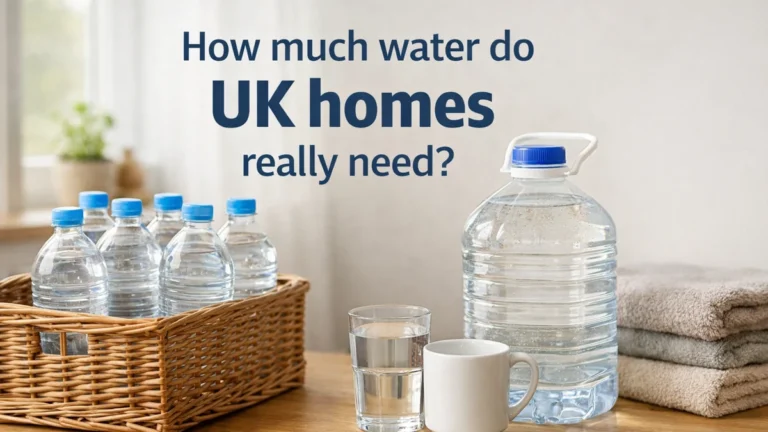
1. Water

Water removes panic faster than anything else.
Start with how to store emergency water in the UK:
- Bottled water is best
- Aim for 3–4 litres per person per day
- Plan for at least 72 hours
2. Food

Emergency food should be familiar and easy.
Follow emergency food storage for UK homes:
- Use food you already eat
- Include no-cook options
- Focus on 72 hours first
Normal meals reduce stress and improve decision-making.
3. Power & Lighting

Loss of electricity escalates emergencies quickly.
Basic power cut preparation for UK homes includes:
- Torches or battery lighting
- Power banks for phones
- Spare batteries
Lighting and phone charging maintain safety and information access.
Build Preparedness in Small, Calm Steps

One of the biggest beginner mistakes is trying to prepare everything at once.
A better approach:
- Week 1: Add bottled water
- Week 2: Add extra meals
- Week 3: Add lighting and power banks
- Week 4: Review and organise
UK emergency preparedness improves through steady progress, not urgency.
Stop When You Feel Comfortable
Preparedness is not a finish line.
You do not need to:
- Reach a specific number of days
- Match anyone else’s setup
- Buy expensive equipment
If your household can stay calm, fed, warm, and informed during disruption, your preparation is already working.

Common Beginner Prepping Mistakes in the UK
Avoid these early errors:
- Panic buying during news events
- Copying US-based advice
- Buying gear without a system
- Ignoring space and storage limits
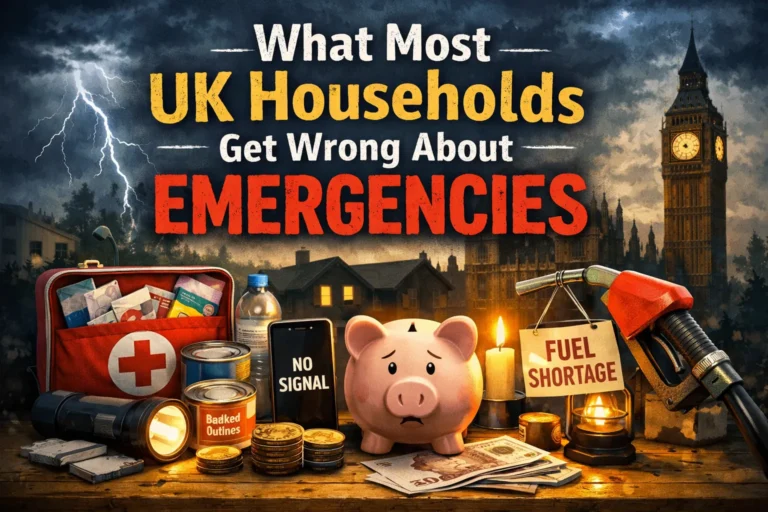
For a breakdown of these errors, see what most UK households get wrong about emergencies.
What Most UK Homes Already Have

Many beginners are closer to prepared than they realise.
Most households already own:
- Torches or phone flashlights
- Tinned food
- Extra blankets
- Phone chargers
UK emergency preparedness is often about organising and topping up, not starting from scratch.
A Simple Beginner Emergency Plan (UK)

Minimum starting point:
- Plan for 72 hours
- Store bottled water
- Add familiar food
- Prepare lighting and phone charging
To put this together calmly, use a beginner-friendly UK emergency checklist.
Frequently Asked Questions
Is prepping legal in the UK?
Yes. Storing food, water, lighting, and basic supplies is completely legal.
Do beginners need a bug-out bag?
Usually no. Most UK emergencies are best handled at home.
How much should beginners spend?
Start with what you already own and add gradually during normal shopping.
Official UK Guidance
For official UK guidance on preparing for emergencies, see GOV.UK:
https://www.gov.uk/prepare
Final Thought
Prepping without panic is the correct approach for the UK.
UK emergency preparedness is about quiet confidence, not fear. When disruption happens, prepared households do not rush — they wait it out calmly.