UK emergency preparedness is often misunderstood. Most households are not unprepared because they are careless, but because they expect emergencies to look dramatic, rare, or extreme.
In reality, UK emergencies are usually boring, local, and short-term. Power cuts, water disruption, delivery delays, and severe weather happen every year — yet most homes are still caught off guard.
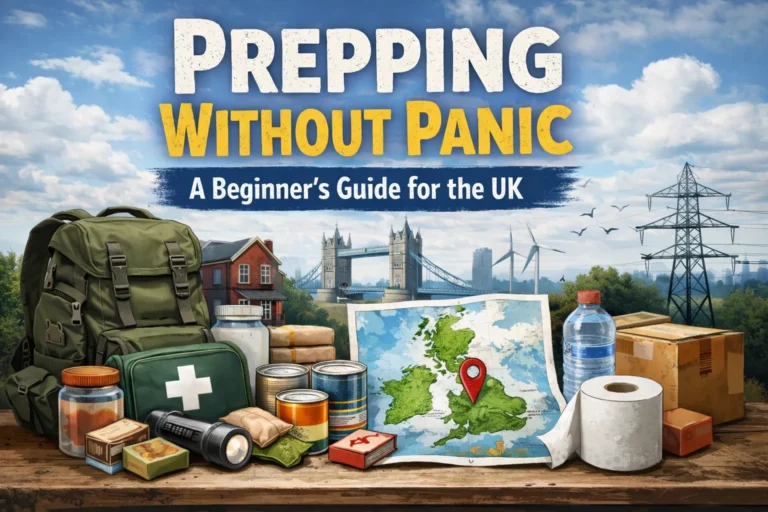
This guide explains the most common UK emergency preparedness mistakes and how to avoid them without panic, expense, or extreme prepping.
Mistake 1: Thinking Emergencies Are Rare

Many people assume emergencies are unlikely because the UK is stable and well organised. While that is true at a national level, local disruption is common.
Examples include:
- Power cuts caused by storms or equipment failure
- Burst water mains affecting entire streets
- Supermarket shortages triggered by panic buying
- Transport disruption during winter weather
UK emergency preparedness is not about expecting disaster — it is about accepting that temporary disruption is normal.
Mistake 2: Assuming Services Will Be Instant

Emergency services in the UK are excellent, but they prioritise life-threatening situations.
During widespread disruption:
- Households are expected to cope independently for at least 72 hours
- Supermarkets may be closed or empty
- Pharmacies may have limited access or stock
UK emergency preparedness means being able to look after yourself briefly, not replacing emergency services.
Mistake 3: Waiting for Official Warnings

Another common mistake is waiting for announcements before acting.
By the time:
- Severe weather warnings are issued
- Water notices are posted
- News coverage increases
Supermarket shelves are already empty and delivery slots are gone.
Prepared households act before disruption, not during it.
Mistake 4: Believing Prepping Is “Extreme”

PMany UK households avoid emergency preparedness because they associate it with:
- Survivalism
- Military gear
- Long-term stockpiling
In reality, UK emergency preparedness is simple:
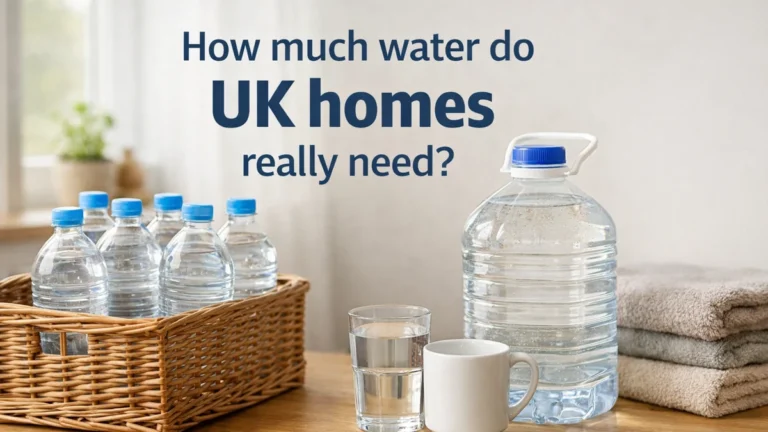
- Bottled water
- Normal food
- Torches and power banks
- Warm clothing
Prepared does not mean paranoid. It means comfortable during inconvenience.
Start here:
Read The Complete UK Prepping System to understand calm, realistic preparation that fits British homes.
Check out the .gov website for there prepping advice