The Complete Bug-Out Bag UK System for Preppers (2025 Guide)
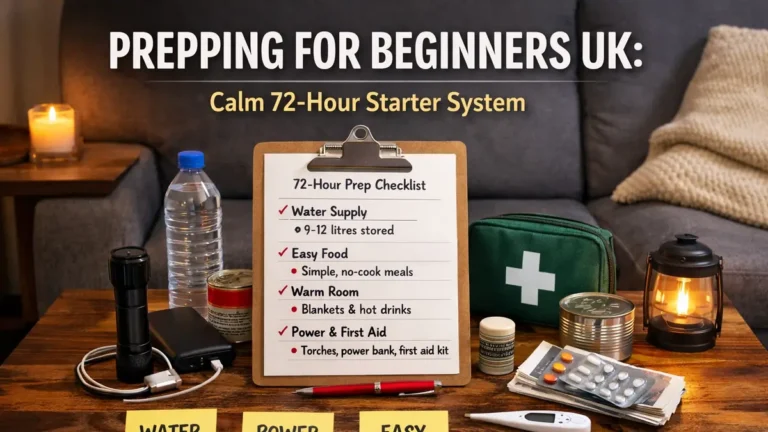
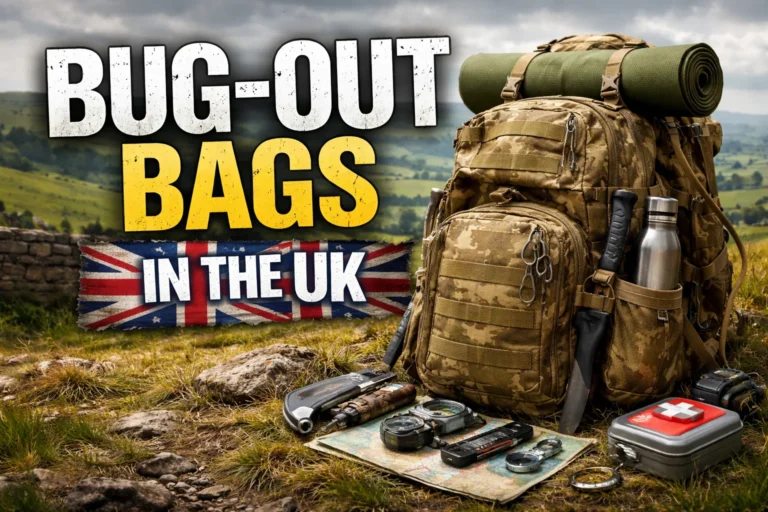
A bug out bag UK setup is one of the most important preparedness fundamentals every British prepper should have in place. While high-drama survival scenarios dominate American survival media, the UK’s real threats are far more practical—severe flooding, industrial chemical leaks, long-term power outages, transportation gridlock, winter storms, and temporary evacuations. A well-built bug out bag UK system keeps you alive, warm, hydrated, informed, and mobile for at least 72 hours while you move to safety.
This 2025 guide breaks down every essential component, explains exactly what you need (and why), and provides tiered checklists so that beginners and advanced preppers can build a reliable kit. If you want the most complete, realistic, UK-specific bug out bag guide on the internet—this is it.
Table of Contents
- What Is a Bug-Out Bag?
- When Would a UK Prepper Use a BOB?
- Choosing the Right Bug-Out Bag
- Water Systems
- Shelter & Warmth
- Fire & Tools
- Food & Cooking
- Medical & Hygiene
- Clothing & Weather Protection
- Navigation & Communication
- Security & Self-Defence (UK Legal)
- Complete Bug-Out Bag UK Checklists
- Advanced Tips for 2025 UK Preppers
- Final Thoughts
1. What Is a Bug-Out Bag?
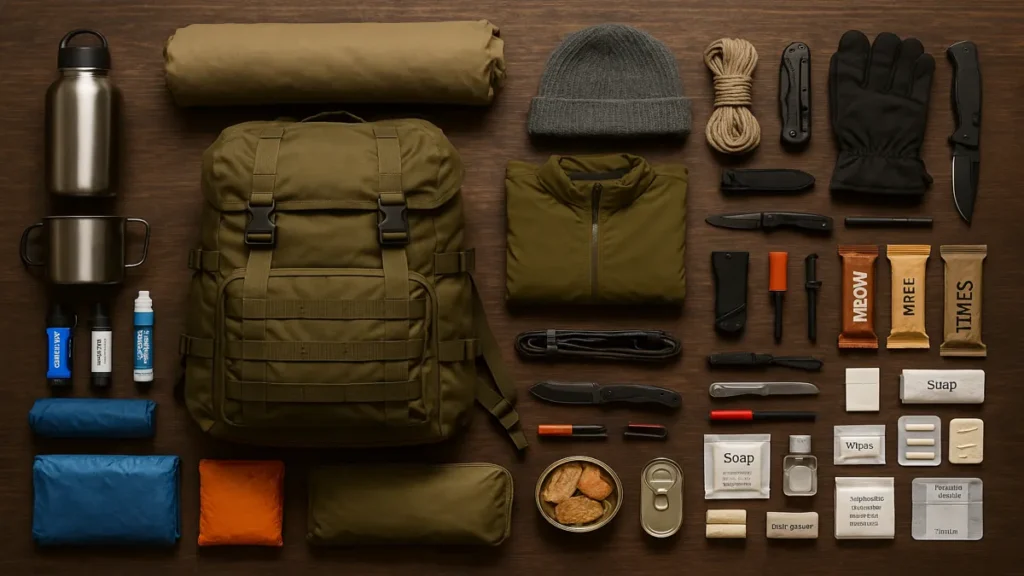
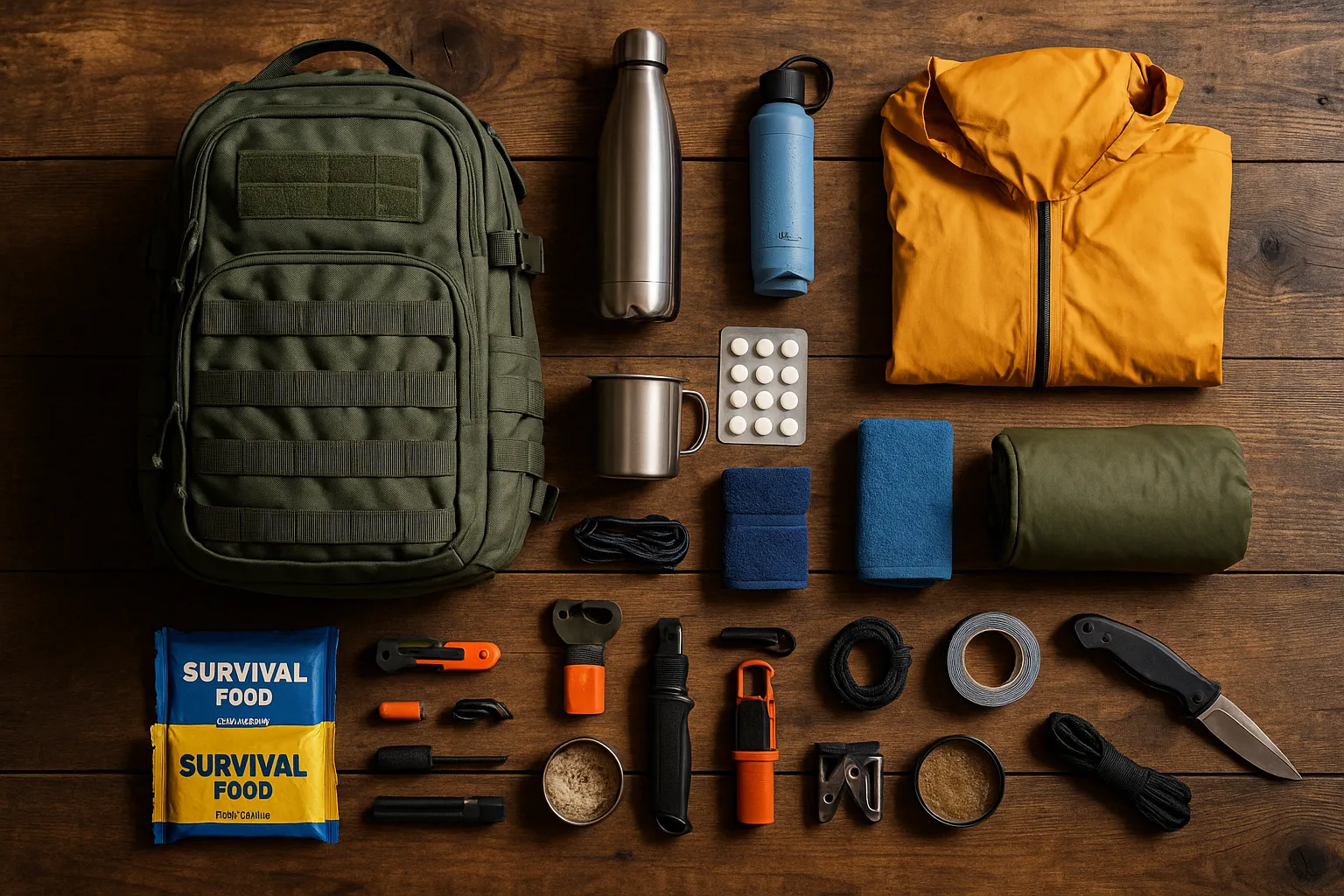
A Bug-Out Bag (BOB) is a pre-packed emergency backpack containing everything you need to survive for at least 72 hours during an evacuation or crisis. Unlike a hiking pack, a BOB is designed for speed, mobility, and real-world emergencies—not fantasy survival.
A Bug Out Bag UK Is Designed For:
• Flood evacuation
• Industrial chemical leaks
• House fires
• Winter power cuts
• Severe weather
• Temporary displacement
• Motorway breakdowns or gridlock
• Travelling during infrastructure failures
The purpose of a bug out bag UK system isn’t wilderness escapism. It’s about getting from danger to safety as quickly as possible—whether that’s a friend’s home, a community shelter, or a designated safe location.
2. When Would a UK Prepper Use a BOB?
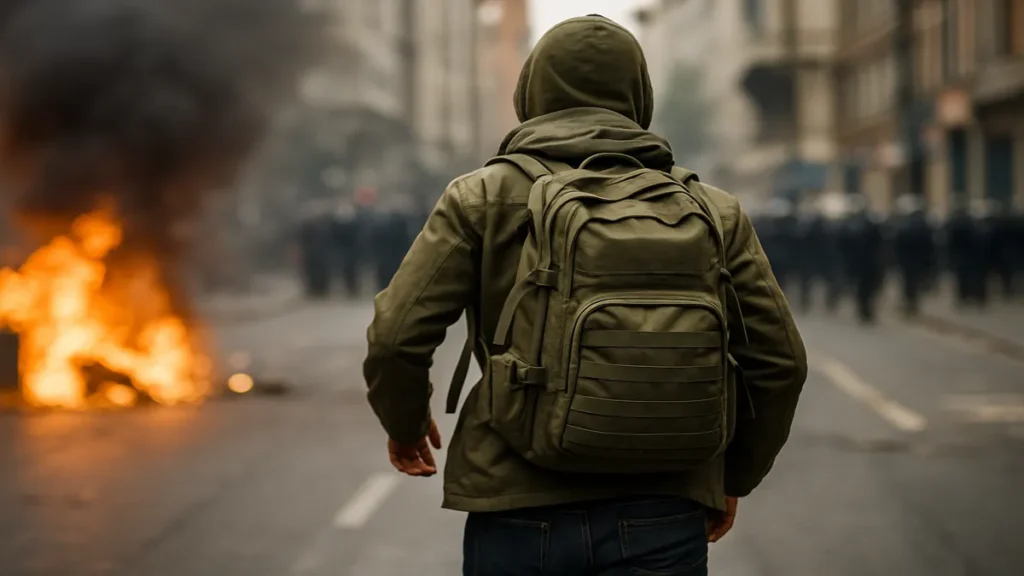
The UK has a surprisingly high number of emergency scenarios where a bug out bag UK setup is invaluable. The goal is not to run into the woods but to evacuate quickly with confidence and capability.
Realistic UK Use Cases:
• Local council–issued evacuation order
• Industrial incident (chemical spill, plant fire)
• Burst riverbanks or coastal flooding
• Major power loss during winter
• Train or car breakdown during storms
• Flat fire or structural damage
• Water contamination or supply outage
A BOB ensures that you’re not relying solely on emergency services—which may be overwhelmed or delayed.
3. Choosing the Right Bug Out Bag
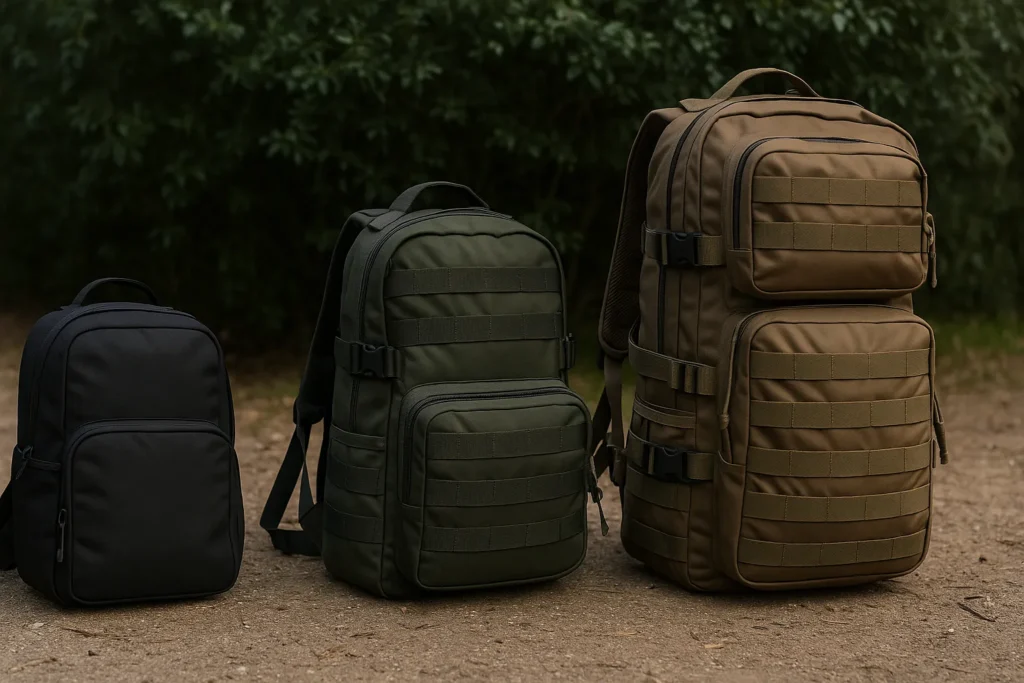
Your bug out bag UK build begins with the backpack itself. Choose wisely.
Bag Size Recommendations
• 30–45L – Ideal for most adults
• 20–30L – Good for teenagers or lightweight setups
• 60L+ – Only for experienced hikers or bushcrafters
Types of Backpacks
Civilian Hiking Packs
Blend in, durable, comfortable, and generally better for urban environments.
Pros: stealthy, ergonomic, strong zips
Cons: less modular
MOLLE / Tactical Packs
Highly customisable with modular attachments.
Pros: rugged, expandable
Cons: “tactical” look may draw unwanted attention
Features Worth Paying For
• Hip belt for weight distribution
• Sternum strap for stability
• Water-resistant materials
• External side pockets
• Hydration bladder compatibility
• Reinforced stitching
Choosing quality is vital: a failed strap during evacuation could put your entire plan at risk.
4. Water Systems – The Most Important BOB Component
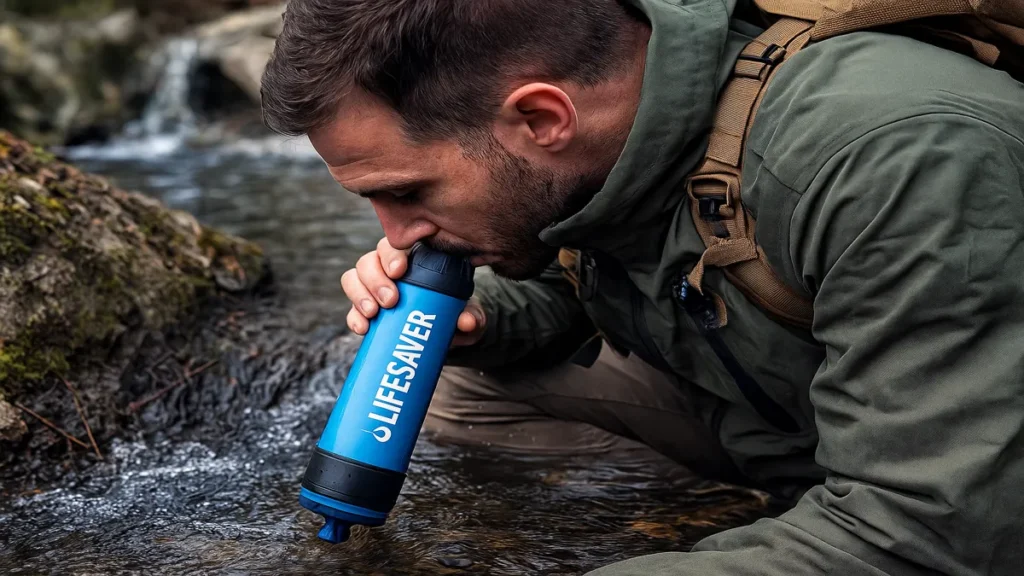
Water is the single biggest survival priority. Every bug out bag UK setup must plan for both carrying water and making unsafe water safe.
Carry Minimum
Aim for 2 litres on your person, plus the ability to source and purify more.
Filtration & Purification Options
• Sawyer Squeeze (UK favourite)
• LifeStraw Peak Series
• Katadyn BeFree
• Water purification tablets
• Collapsible water bottles
• Metal cup or pot for boiling
Modern UK tap water is safe, but water found outdoors—or water from emergency collection points—can contain:
• Bacteria
• Viruses
• Runoff from farms
• Heavy metals
• Parasites
• Broken infrastructure contaminants
A proper filtration + purification system prevents illness during evacuation.
5. Shelter & Warmth
The UK climate demands windproof, waterproof, and warmth-focused gear. Even in summer, nights can drop dangerously low.
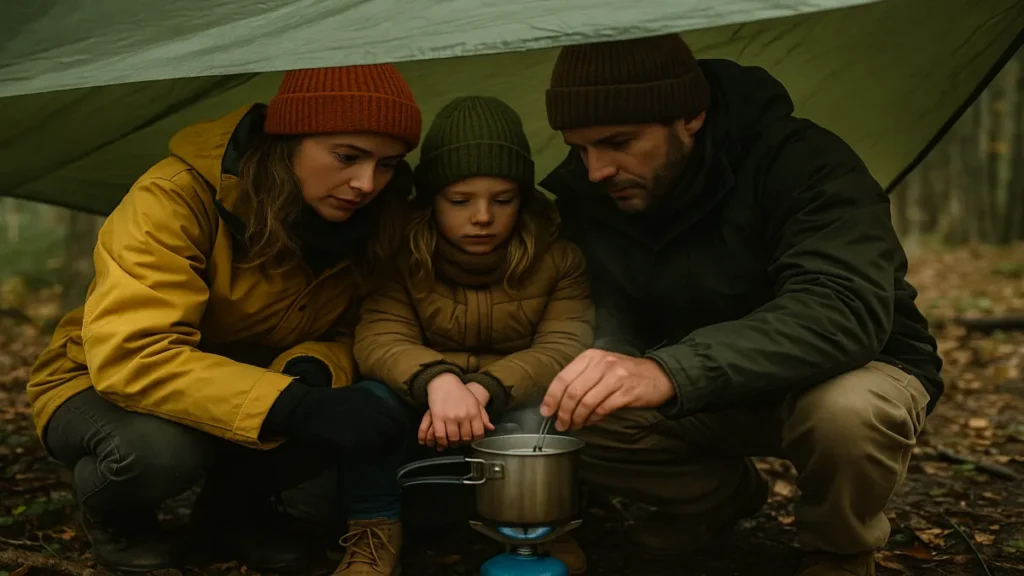
Essentials for Shelter & Warmth:
• Emergency bivvy sack
• Lightweight tarp (2×3 metres ideal)
• Waterproof jacket
• Hat and gloves
• Season-rated sleeping bag
• Mylar emergency blanket
Your bug out bag UK system must handle cold, damp, and wind—three things the UK has in abundance.
6. Fire & Tools
Fire is a life-saver during UK emergencies, particularly during winter outages.
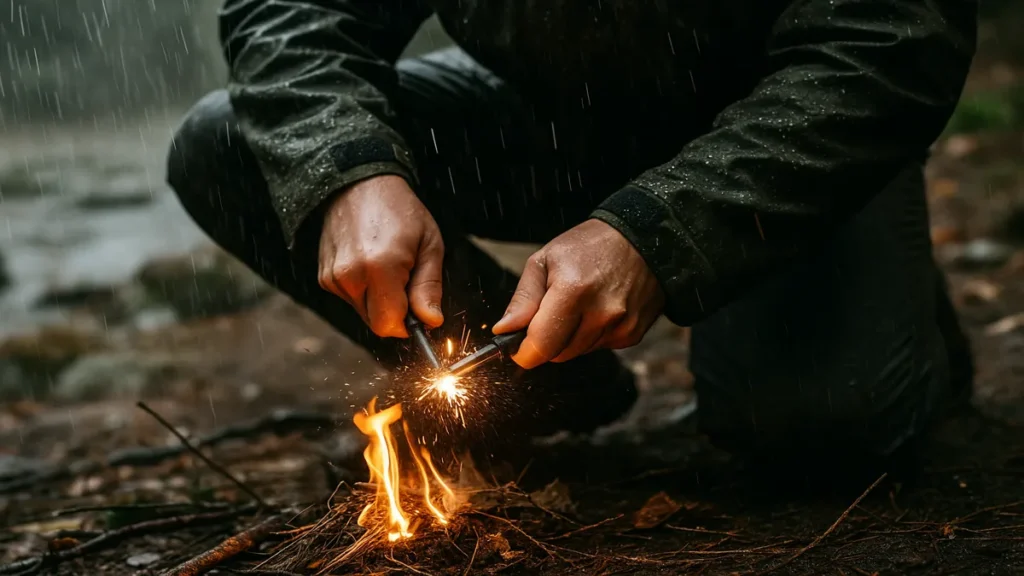
Fire Starting Tools:
• Ferro rod (reliable in wet conditions)
• BIC lighters (cheap, effective)
• Waterproof matches
• Compact tinder
Essential Tools:
• Legal folding knife (UK-compliant blade)
• Multitool (Leatherman or Gerber)
• Paracord
• Duct tape
• Small pry tool or crowbar
Each tool must be legal, durable, and multipurpose.
7. Food & Cooking
Food isn’t the top priority in the first 72 hours—but energy still matters.
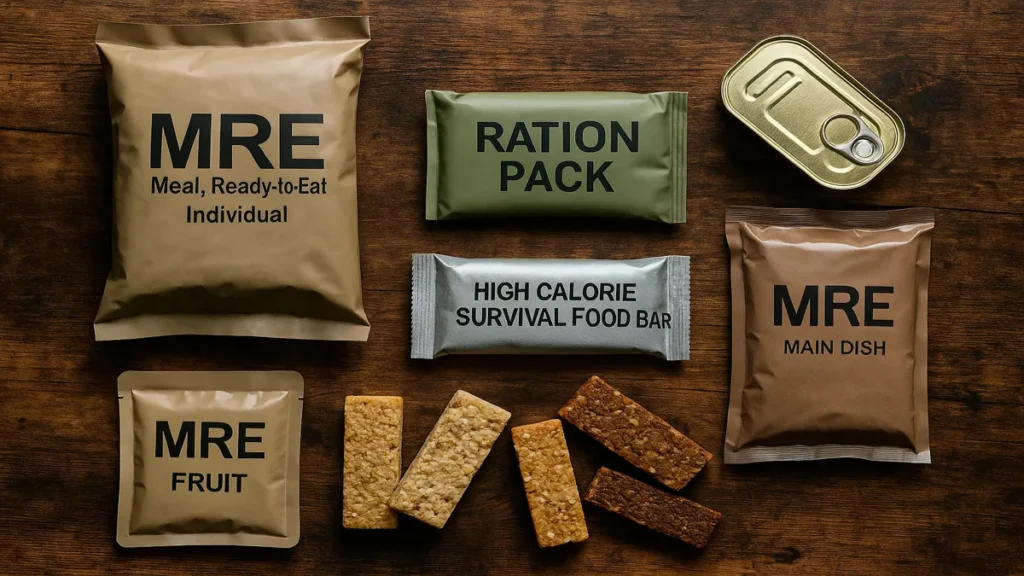
Recommended Food Types:
• High-calorie survival bars
• UK ration packs
• Tinned fish or meat
• MREs
• Nuts, seeds, dried fruit
• Instant noodles or couscous
Cooking Equipment
• Folding stove
• Solid fuel tablets
• Lightweight titanium mug
• Compact spork
Choose calorie-dense, no-cook or quick-cook foods to preserve fuel and time.
8. Medical & Hygiene
A strong medical kit can prevent minor injuries from becoming major problems.
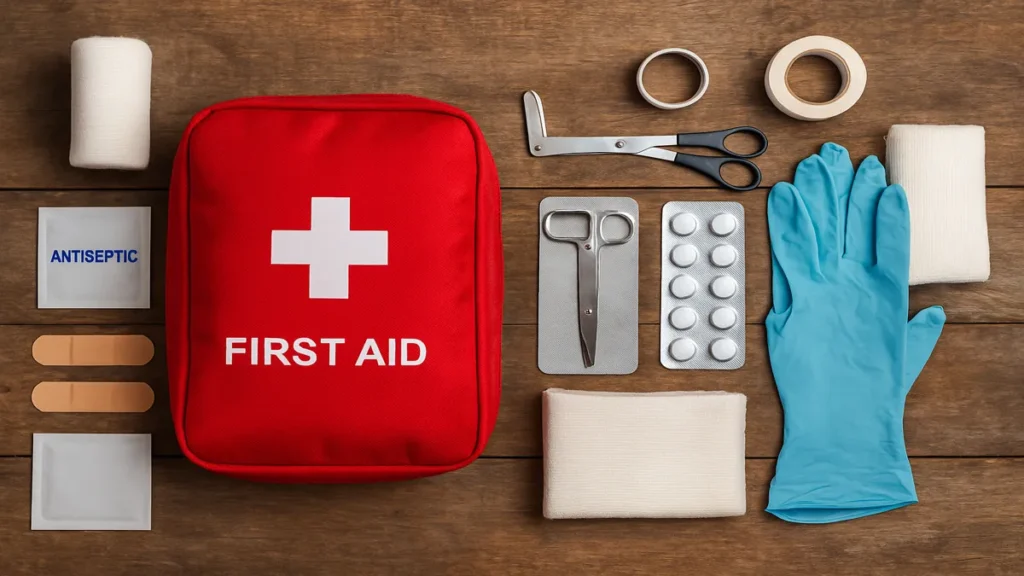
First-Aid Essentials
• Plasters
• Bandages
• Trauma dressing
• Painkillers
• Antiseptic wipes
• Blister plasters
Hygiene Items
• Soap sheets
• Toothbrush
• Wipes
• Hand sanitiser
• Small towel
Hygiene is often underestimated, but infections thrive during evacuations.
9. Clothing & Weather Protection
Pack clothing layers that handle the UK’s unpredictable climate.
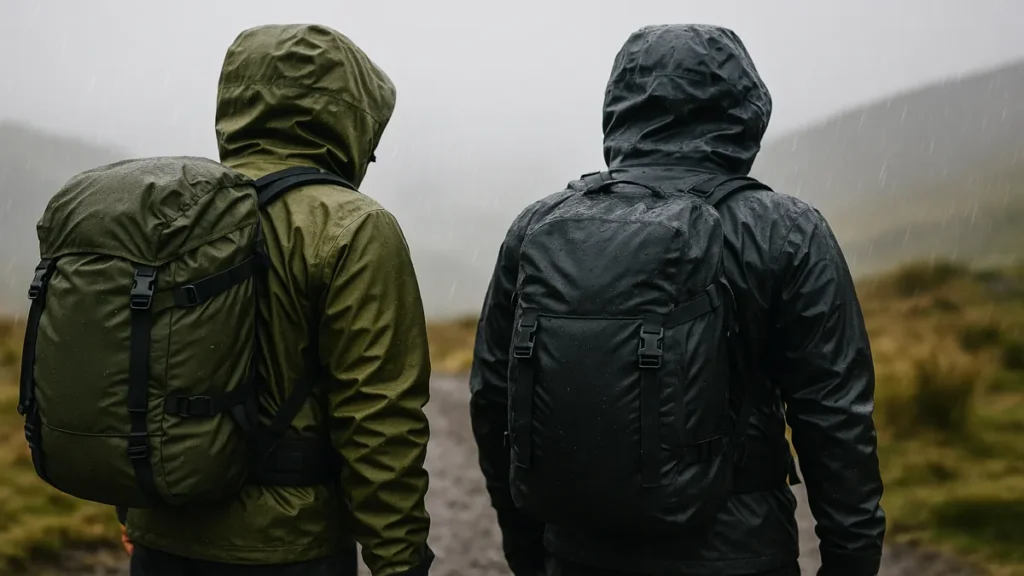
Minimum Clothing Requirements
• 2 base layers
• 2 pairs of socks
• Fleece midlayer
• Waterproof trousers
• Waterproof jacket
• Thermal hat and gloves
Choose quick-drying synthetic fabrics rather than cotton.
10. Navigation & Communication
Smartphones fail. Batteries die. Networks crash. But navigation tools still matter.

Essentials
• Local map (OS Explorer preferred)
• Compass
• Emergency radio
• Power bank
• Whistle
• Backup mobile phone
In a real crisis, a dead phone shouldn’t mean a dead plan.
11. Security & Self-Defence (UK Legal)
Your BOB must follow UK law.
Legal Items:
• Non-locking folding knife (<3 inches)
• Personal safety alarm
• High-lumen torch
• Heavy-duty walking stick
• Situational awareness training
The goal: avoid danger, not confront it.
12. Complete Bug-Out Bag UK Checklists
Beginner-Level BOB
• Water (2 litres)
• Basic filtration straw
• Phone charger / power bank
• Snacks and ration bars
• Basic clothing
• Personal medications
• Torch
• Small first-aid kit
Intermediate BOB
• Shelter system (tarp + bivvy)
• Proper filtration device (Sawyer/LifeStraw)
• Cooking kit
• Trauma dressing
• Mapping tools
• Waterproof layers
• Spare socks
• Stable 3-day food supply
Advanced BOB
• Advanced shelter + sleeping bag
• Full medical kit
• Multiple water purification systems
• 3-day high-calorie rations
• Redundancy tools
• Advanced communications
• Fire redundancy (ferro rod, lighter, matches)
• Cold-weather gear
A true bug out bag UK system is layered, redundant, and realistic.
13. Advanced Tips for 2025 UK Preppers
1. Avoid Tactical Aesthetics
Blend in. Stay grey. A civilian pack helps avoid unwanted attention.
2. Keep Your BOB Accessible
Store it near your exit door or in your vehicle (weather dependent).
3. Rotate Consumables Every 6–12 Months
This includes:
• Food
• Water purification tablets
• Batteries
• Medical items
4. Pack for Your Region
A prepper in Cornwall faces different threats from one in Birmingham.
Flood risk? Focus on waterproofing and early evacuation.
Urban area? Pack for debris, glass, navigation, and crowd movement.
5. Keep a “Grab List”
Items too valuable to store permanently in the BOB:
• Passport
• Cash
• Medications
• USB backup drive
• Spare glasses
Tape the grab list to the top of your bag.
14. Final Thoughts
Building a proper bug out bag UK system isn’t about paranoia—it’s about resilience, self-reliance, and reducing your vulnerability to real UK emergencies. With a well-designed 72-hour bag, you can evacuate quickly, stay warm and hydrated, care for injuries, navigate safely, and remain in control when the unexpected happens.
This guide gives you everything you need to build a reliable, UK-specific bug out bag for 2025 and beyond. Tailor it to your needs, practice with your kit, and keep it ready. Preparedness is not fear—it’s responsibility.
- Trauma kit
- Advanced shelter
- 3-day rations
- Redundancy sys
- Related Prepper Guides
- Related Prepper Guides
- Upping Guie 2025: Beginners Preparedness Plan
- Emergency Water Filtration & Storage Guide 2025
- Long Term Food Storage UK Guide 2025: Preppers Authotems