How to secure, store, and purify safe drinking water when the taps stop running
Ensuring access to clean water is one of the most fundamental pillars of preparedness. Whether the threat is a burst main, long-term power outage, contamination event, natural disaster, or supply chain disruption, your ability to source and purify drinking water can determine everything from your health to your survival timeline.
This long-form guide covers every essential component of emergency water filtration and storage readiness for UK preppers—storage, purification, filtration, rain harvesting, rotating supplies, treatment methods, quantities, and recommended products.
Table of Contents
- Why Water Preparedness Matters
- How Much Water You Actually Need
- Short-Term vs. Long-Term Storage
- Best Water Storage Containers (UK Options)
- Water Filtration Methods Explained
- Purification vs. Filtration: What’s the Difference?
- Chemical Treatment (Chlorine, Iodine, Bleach)
- Boiling & Thermal Treatment
- Gravity Filters, Pump Filters & Pressurised Systems
- Rainwater Harvesting Legality & Setup (UK)
- Storing Water Indoors vs. Outdoors
- Rotation, Safety, and Maintenance
- Step-by-Step Water Readiness Plan
- Recommended Products
- Final Checklist (Downloadable PDF Option)
1. Why Water Preparedness Matters
While UK water infrastructure is generally reliable, events in recent years—flooding, droughts, contamination alerts, strikes, supply chain delays—have exposed vulnerabilities. The most common risks include:
- Storm damage to treatment works
- Power failures affecting pump stations
- Contamination (chemical, biological, sewage overflow)
- Prolonged drought / hosepipe bans
- Infrastructure failures such as burst mains
- Local boil water notices
In an emergency, supermarkets are stripped within hours. Without water, dehydration can begin within 24 hours and become critical within 72.
2. How Much Water Do You Actually Need?
Preparedness guidance varies, but for the UK climate and modern household needs:
Minimum Standard (Per Person)
- 3 litres per day for drinking
- 2 litres per day for basic hygiene
- 5+ litres per day for cooking, cleaning, and medical needs (optional)
Recommended Preparedness Level
- 3 days (minimum) = 15 litres per person
- 7 days (better) = 35 litres per person
- 30 days (strong preparedness) = 150 litres per person
- 90 days (high resilience) = 450 litres per person
Remember: Pets require storage too.
3. Short-Term vs. Long-Term Storage
| Type | Best For | Requirements |
|---|---|---|
| Short-Term (1–7 days) | Water bottles, jugs, supermarket multipacks | Rotate every 12 months |
| Medium-Term (7–30 days) | 5–25L containers, stackable jerry cans | Keep in cool, dark environment |
| Long-Term (30–365+ days) | Food-grade barrels, 100–350L drums, IBC tanks | Treat with water preserver; protect from sunlight |
4. Best Water Storage Containers (UK Options)


4
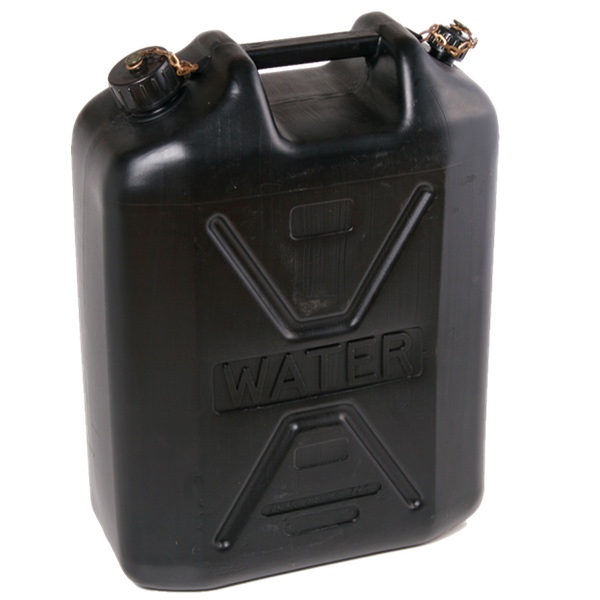
A. 5–25L Containers (Portable, Stackable)
- Food-grade HDPE
- Built-in spigots or taps preferred
- Ideal for indoor storage
- Easy to rotate
B. 60–120L Water Butts
- Common in UK gardens
- Rainwater harvesting compatible
- Requires filtration before drinking
C. 200–350L Food-Grade Drums
- For long-term resilience
- Must be kept cool and dark
- Treat with water preservative every 5 years
D. 1000L IBC Tanks
- Most cost-effective per litre
- Suitable for homesteads, gardens, off-grid setups
- Must be covered to block light and algae growth
5. Water Filtration Methods Explained
Filtration removes particles, sediment, parasites, and some bacteria. No single filter covers everything, which is why layered purification is essential.
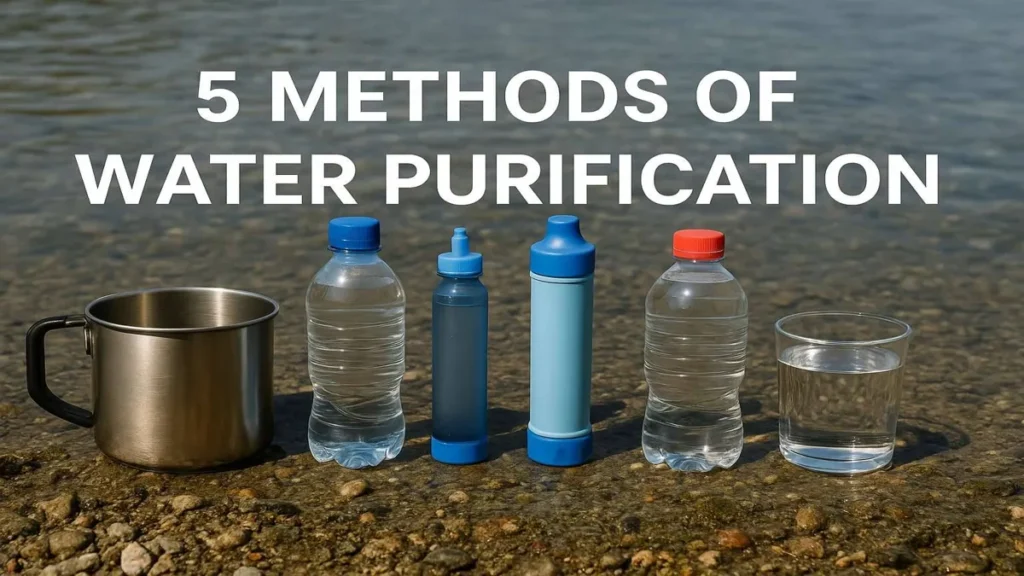
Main Filtration Classes
- Sediment filters (removes dirt, sand, rust)
- Activated carbon (removes chemicals, improves taste)
- Hollow fibre / microfilters (removes bacteria, protozoa)
- Ultrafiltration (virus reduction depending on pore size)
- Ceramic filters (long-life microfiltration)
6. Purification vs. Filtration: What’s the Difference?
| Process | Removes | Use Case |
|---|---|---|
| Filtration | Particles, protozoa, some bacteria | Improves safety before purification |
| Purification | Viruses, all bacteria, pathogens | Essential for making water safe to drink |
Purification methods include:
- Chemical treatment
- Boiling
- UV sterilisation
- Advanced pressure filters
- Gravity purifiers
7. Chemical Treatment (Chlorine, Iodine, Bleach)
A. Water Purification Tablets
Great for emergency kits and bug-out bags.
Kills bacteria, viruses, protozoa.
Requires 30 minutes to 2 hours depending on product.
B. Household Bleach (Unscented)
1 teaspoon per 45 litres (10 gallons).
Wait 30 minutes before drinking.
Do not use scented or thickened bleach.
C. Chlorine Dioxide
Highly effective against Giardia & Cryptosporidium.
Preferred option for long-term water storage.
8. Boiling & Thermal Treatment
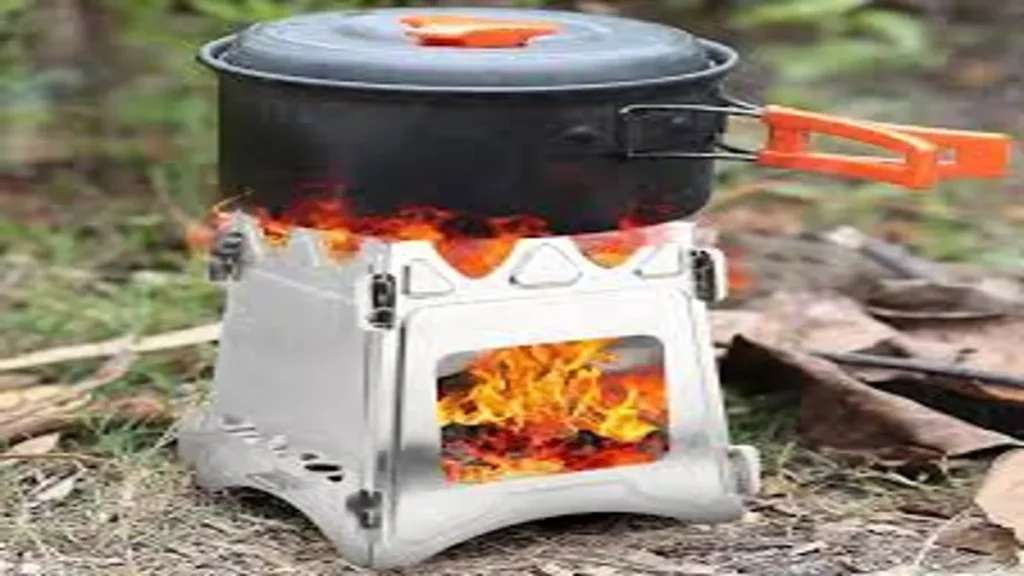
Boiling is 100% effective at killing pathogens.
- Bring water to a rolling boil for at least 1 minute
- At higher altitudes: 3 minutes
- Cool naturally (don’t add ice)
Works regardless of water source quality.
9. Gravity Filters, Pump Filters & Pressurised Systems

4
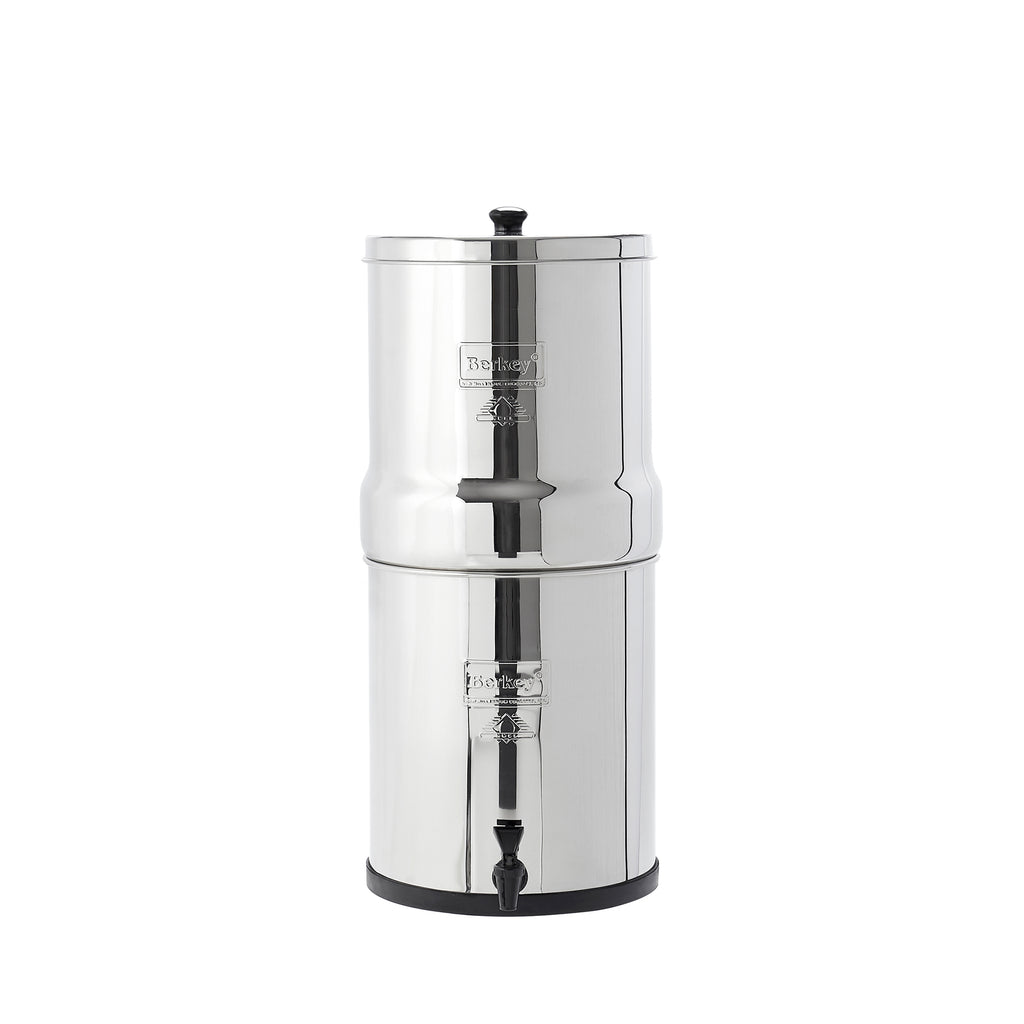
Gravity Systems (Family Use)
- No electricity required
- High output (5–20 litres per hour)
- Ideal for home emergencies
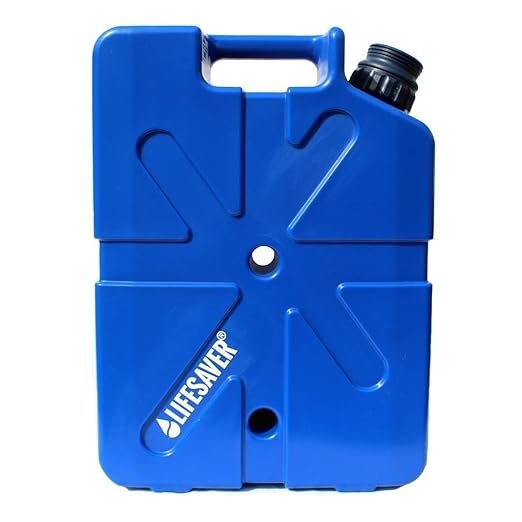
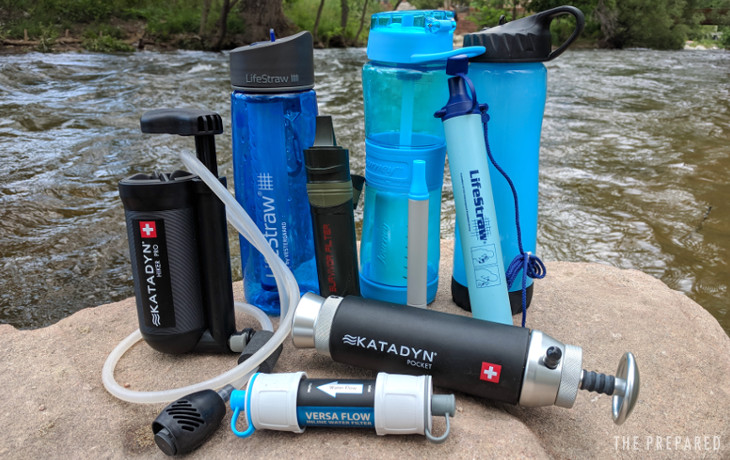
Examples: LifeStraw Family, Berkey-style filters, LifeSaver Cube.
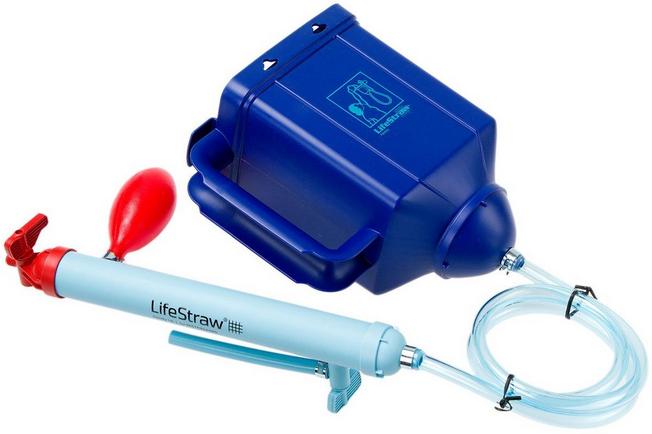
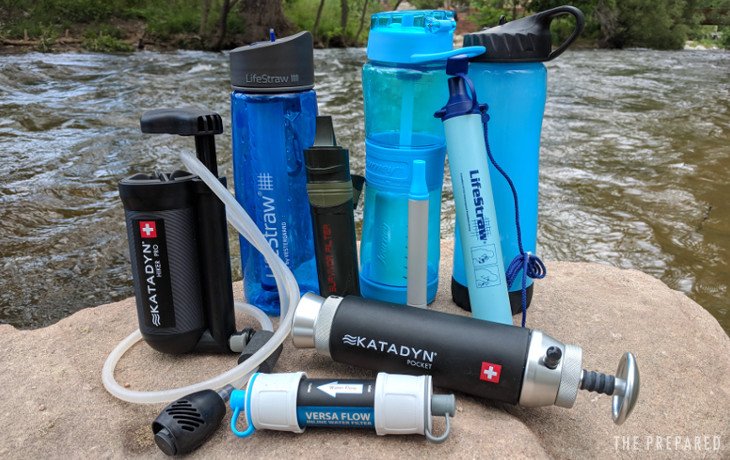
Pump Filters (Portable)
- Good for rivers, lakes, wild camping
- Removes sediment and bacteria
- Requires manual pumping
Pressurised / Squeeze Systems
- Quick flow
- Good for personal use
- Less suitable for large households
10. Rainwater Harvesting (UK Legal Overview)
Rainwater collection is fully legal in the UK.
Basic Setup
- Guttering → downpipe diverter → water butt → lid
- First-flush diverter recommended
- Must filter and purify before drinking
- Store away from light to prevent algae
11. Storing Water Indoors vs. Outdoors
Indoor Storage
- Best for 5–25L containers
- Stable temperature
- Low algae risk
- Recommended for long-term drinking supply
Outdoor Storage
- Suitable for large drums and IBC tanks
- Must be shielded from UV
- Ensure containers are secured against tipping/frost
- Treat stored water annually
12. Rotation, Safety & Maintenance
To ensure long-term safety:
- Rotate supermarket water every 12 months
- Treat long-term storage every 5 years
- Keep containers out of direct sunlight
- Label each container with fill date and treatment type
- Inspect for mould, algae, taste changes
13. Step-by-Step Water Readiness Plan
Step 1: Secure 7 Days of Water
For each person:
- 35 litres in sealed containers
- Store indoors
Step 2: Add Long-Term Storage
Choose from 60–350L drums or IBC tanks.
Step 3: Add Filtration
At minimum:
- Gravity filter (family)
- Tablets or bleach (backup)
- Small portable filter (bug-out bag)
Step 4: Add Rain Harvesting
Install a 100–200L butt with diverter.
Step 5: Build Redundancy
Aim for 3-layer system:
- Stored water
- Filtration system
- Purification/chemical treatment
14. Recommended Products
(Not sponsored; chosen for practicality + UK availability.)
Best Gravity Filter (Budget): LifeStraw Family 2.0
Best Gravity Filter (Premium): Berkey-style stainless system
Best All-Round Emergency Purifier: LifeSaver Cube (5,000L lifespan)
Best Portable Filter: Sawyer Squeeze or LifeStraw Peak
Best Large Storage: 200–350L food-grade drums
Best Rain Harvesting Setup: 100L water butt + diverter
15. Quick-Reference Checklist (Printable)
- 7–30 days of stored water
- 5–25L containers indoors
- 60–350L drums or 1000L IBC tank
- Gravity filtration system
- Chemical treatment tablets
- Unscented household bleach
- Portable personal filter
- Rainwater butt + diverter
- Rotation schedule marked on each container
- Spare lids, taps, and containers
Related Prepper Guides
- UK Prepping Guide 2025: Beginners Preparedness Plan
- Bug Out Bag UK Guide 2025: Complete BOB System & Checklist
- Long Term Food Storage UK Guide 2025: Preppers Authority
Emergency Water Filtration and Storage Essentials
Emergency water filtration and storage is critical for preparedness. In this section, we summarise the key points from this guide, emphasising why every UK household should plan for emergency water filtration and storage. By understanding how to filter, store and rotate water supplies, you will be ready for any crisis.
For official guidance on safe water storage, consult the UK government’s emergency preparedness advice.
Emergency Water Filtration and Storage: Key Takeaways
In summary, emergency water filtration and storage are critical components of any preparedness plan. To prepare for emergencies, you should think about emergency water filtration and storage in terms of sourcing, purification and rotation. By focusing on emergency water filtration and storage you ensure your family has safe drinking water during any crisis.
As you build your emergency water filtration and storage kit, remember to include gravity filters, chemical treatments and proper containers. Regularly rotating your emergency water filtration and storage supplies ensures freshness and reliability.
- Emergency water filtration and storage requires proper containers like jerry cans and drums.
- Emergency water filtration and storage involves using filters, purification tablets, and boiling.
- Emergency water filtration and storage requires proper containers like jerry cans and drums.
- Emergency water filtration and storage requires proper containers like jerry cans and drums.on and storage planning includes rotating supplies every six months.